
Booth Formats
Custom Exhibit Booths in Savannah
A custom build starts from the brand and the floor plan rather than a catalog part number, which is exactly why it takes longer to plan and pays off differently than a rental.
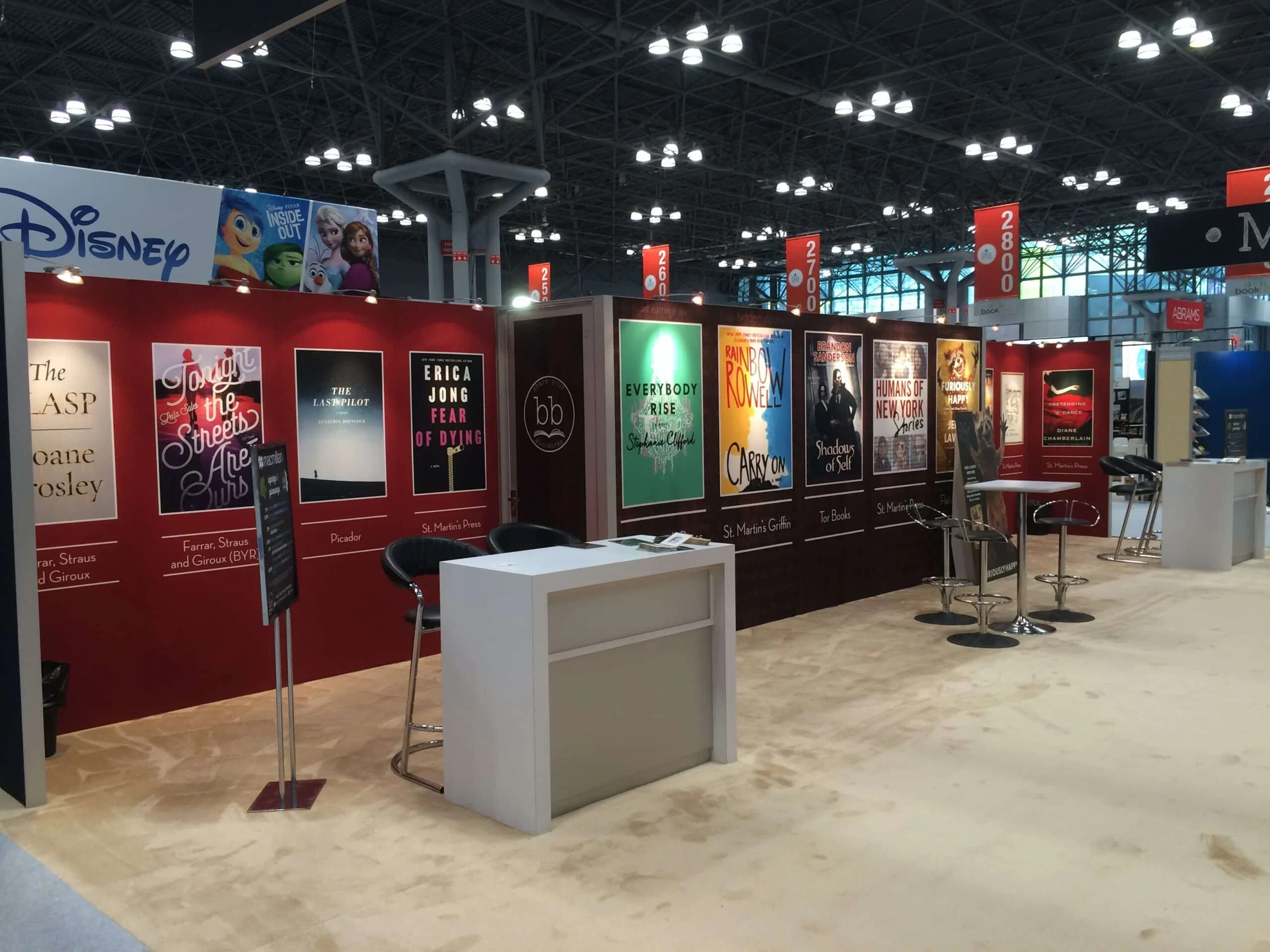
A headline exhibitor at Enmarket Arena or inside the Savannah Convention Center's main hall is usually the one investing in a fully custom booth, because the format is the only one built specifically around a single brand's floor plan and story rather than adapted from stock parts.
That freedom comes with real tradeoffs in lead time, local fabrication and trucking coordination, and storage between shows.
A custom booth is not simply a bigger or nicer version of a rental; it is a different planning process from the first sketch.
This page covers what a custom build actually requires in the Savannah market.
Lead time is the first real constraint
Because nothing about a custom booth comes off a shelf, the design, fabrication, and finishing process needs to start months ahead of the show date rather than weeks, and compressing that timeline usually shows up in the finish quality first.
Exhibitors planning a custom build for a specific Savannah date should lock the concept early rather than treat fabrication as a fast final step.
Trucking and access into the venue
A custom booth's oversized crates and structural elements need a realistic trucking plan along I-95 or I-16 into the city and a confirmed dock or marshalling assignment on Hutchinson Island, since a custom build has far less flexibility to compress into a smaller load if the schedule slips.
Confirming the load-in window before fabrication finishes avoids a truck sitting outside a full dock queue.
Storage that fits the structure
Unlike a modular or portable system, a custom booth's panels and structural pieces are usually purpose-built and do not compress into a small storage footprint, so an exhibitor keeping the booth for repeat use needs a storage plan sized to the actual structure, not a generic crate estimate.
Coastal humidity is a factor here too, particularly for any exposed wood or painted finish.
A crew that knows the build
Because a custom structure does not follow a standard assembly sequence, the install crew needs direct familiarity with that specific booth rather than general trade show experience, which is why continuity of crew across repeat shows matters more here than with any catalog format.
What justifies the investment
A custom build earns its cost when the brand needs a headline presence that a rental format simply cannot replicate, such as a distinctive structural silhouette or an integrated demo environment designed for one specific product story.
Coordinating with show management early
A custom booth's unusual dimensions, rigging points, or floor load sometimes need sign-off from show management or the venue well before the event, and raising those questions during the design phase avoids a late request that the schedule cannot absorb.
Finish quality under hall conditions
A finish that looks flawless in a fabrication shop can read differently under a convention hall's bright, even lighting, so a walkthrough under comparable lighting conditions before the final show date helps catch any surface flaws while there is still time to correct them.
Documenting the build for the next show
A custom booth that will be reused should leave the fabrication shop with a full photo and measurement record of the finished install, in addition to the design files, since that record is what lets a different crew rebuild the booth correctly at a future Savannah date without the original designer present.
Questions about custom exhibit booths
How far ahead should a custom booth be planned for a Savannah show?
Several months is typical, since design, fabrication, and finishing all take longer than any rental or modular format.
Does a custom booth need special trucking arrangements?
Yes, oversized crates and structural elements need a confirmed dock or marshalling assignment before the load-in window, more so than a standard booth.
Can a custom booth be reused across multiple shows?
It can, but it needs storage sized to the actual structure rather than a small crate footprint, and coastal humidity should be accounted for with exposed finishes.
What is the biggest risk with a custom build?
Compressing the fabrication timeline, which tends to show up as rushed finish quality on the show floor.
Does show management need to approve unusual custom dimensions?
Sometimes, particularly for rigging points or floor load, so raising those questions during design avoids a late scramble.
Plan a custom booth for a Savannah headline show
Send the concept and the show date. We will map the fabrication timeline and the load-in plan together.